
The Future of Education and Business: Exploring Interactive Displays | Arotouch
In today’s rapidly changing digital world, the way we learn, communicate, and collaborate is undergoing a major transformation. Schools, businesses, and organizations are adopting smarter technology solutions to create more connected and efficient environments.
Among these innovations, interactive displays have become one of the most valuable tools for modern education and business. By combining touchscreen technology, high-resolution displays, digital collaboration features, and intelligent software, interactive displays are changing how people share information and work together.
From smart classrooms and training centers to meeting rooms and corporate environments, interactive display technology provides a more engaging and flexible way to present content, exchange ideas, and improve productivity.
What Is an Interactive Display?
An interactive display is a digital touchscreen solution that allows users to interact directly with content displayed on the screen. Unlike traditional monitors or projectors, interactive displays enable users to write, draw, annotate, share, and control digital information through touch.
Modern interactive displays are often designed as interactive flat panels, integrating features such as multi-touch capability, digital whiteboard software, wireless screen sharing, built-in audio, and multiple connectivity options.
These features make interactive displays suitable for different applications, including education, business meetings, training, presentations, and commercial environments.
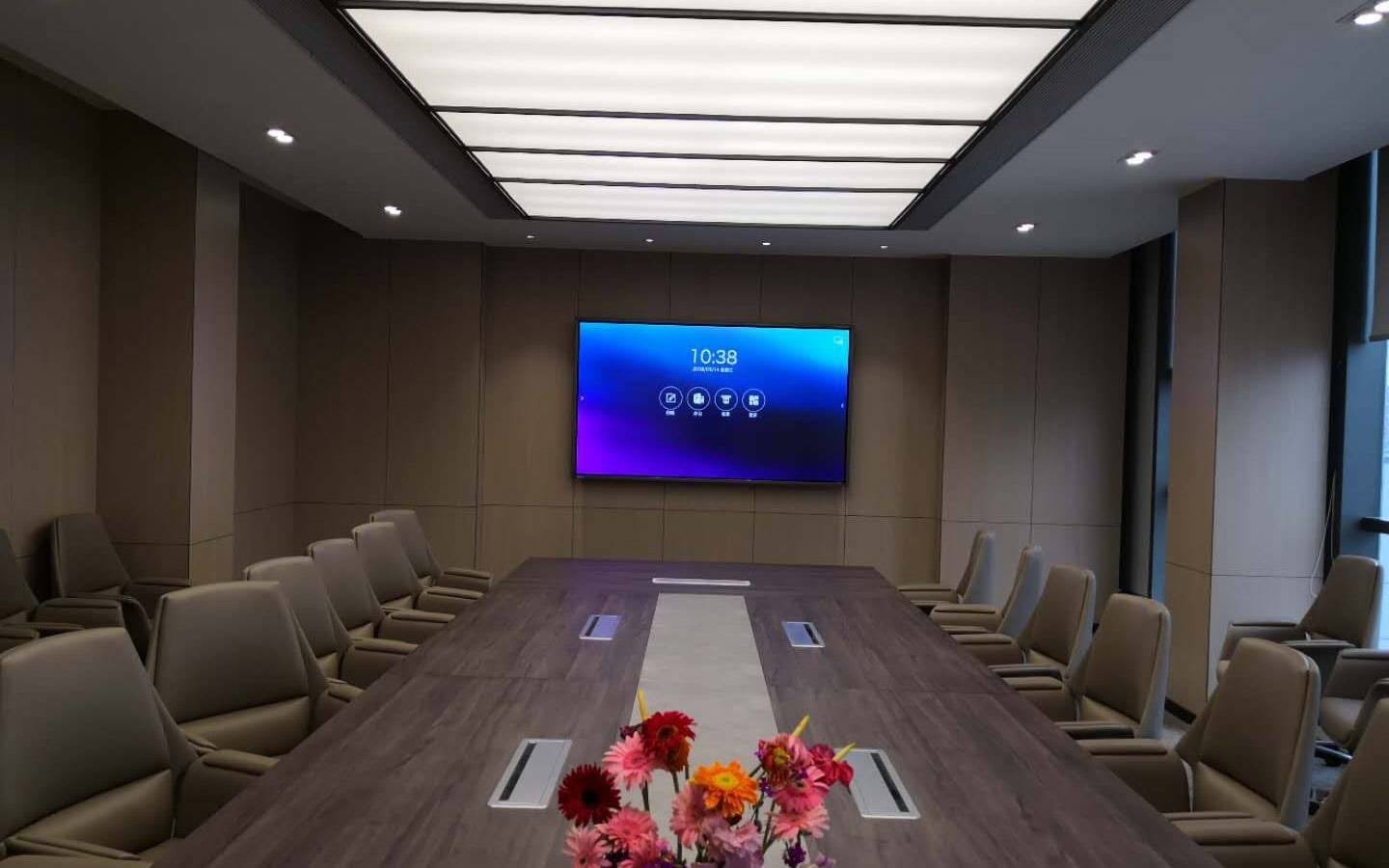
The Role of Interactive Displays in Modern Education
Education is one of the industries experiencing the biggest impact from interactive display technology. As digital learning becomes more common, schools need tools that support flexible teaching methods and encourage student participation.
Traditional whiteboards and projectors have supported classrooms for many years, but interactive flat panels provide a more advanced approach. Teachers can combine text, images, videos, websites, presentations, and educational applications on one interactive screen.
Creating More Engaging Learning Experiences
One of the biggest advantages of an interactive display is its ability to make lessons more engaging.
Instead of only watching information presented by the teacher, students can interact with learning materials directly. They can answer questions, complete exercises, write notes, solve problems, and participate in group activities using the touchscreen display.
This interactive approach encourages active learning and helps create a more collaborative classroom environment.
Supporting Different Teaching Methods
Every classroom has different teaching requirements. Some lessons may require visual demonstrations, while others may focus on discussion, problem-solving, or hands-on activities.
With an interactive display, teachers can easily switch between different types of content. Educational videos, digital textbooks, diagrams, online resources, and interactive applications can all be used during the same lesson.
This flexibility allows teachers to design lessons that better match different learning styles.
Interactive Displays for Smart Classrooms
As schools continue to develop smart classroom environments, interactive displays are becoming a central technology solution.
By connecting displays with computers, tablets, cloud platforms, and educational software, schools can create a more connected learning experience.
Interactive displays also support modern teaching trends such as hybrid learning and remote collaboration, allowing teachers to connect with students both inside and outside the classroom.
How Interactive Displays Transform Business Collaboration
Interactive displays are not only changing education. Businesses are also adopting interactive flat panels to improve meetings, presentations, training, and teamwork.
Modern workplaces require better ways to share information and collaborate across different locations. Interactive displays provide a digital workspace where teams can communicate ideas more efficiently.
Improving Meetings and Presentations
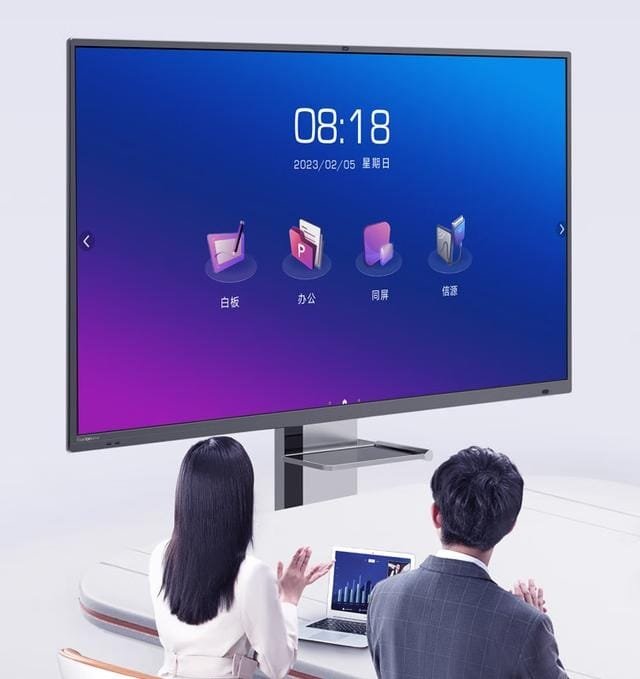
Traditional business presentations often require multiple devices, including laptops, projectors, and separate whiteboards. An interactive display combines many of these functions into one powerful solution.
Users can present documents, annotate content, highlight important information, and make real-time changes directly on the screen.
This makes meetings more interactive and allows teams to focus on discussion and decision-making.
Enhancing Team Collaboration
Collaboration is becoming increasingly important in modern businesses. Teams often need to work together across departments, offices, and even different countries.
Features such as wireless screen sharing, multi-user touch interaction, and cloud-based collaboration tools allow team members to share ideas and work together more effectively.
“`html id=”sloufg2″
Key Features to Consider When Choosing an Interactive Display
With the increasing popularity of interactive display technology, more schools and businesses are looking for the right solution for their needs. However, choosing an interactive display requires careful consideration of several important factors.
1. Display Quality and Resolution
A high-quality display is essential for delivering clear and professional visual experiences. Resolution, brightness, viewing angle, and color performance all affect how users interact with digital content.
For classrooms, meeting rooms, and professional environments, 4K resolution interactive flat panels provide sharper images, clearer text, and better viewing experiences.
2. Touch Technology and User Experience
The touch experience is one of the most important aspects of an interactive display. A responsive touchscreen allows users to write, draw, annotate, and interact with content naturally.
Advanced multi-touch technology enables multiple users to work on the display at the same time, making it ideal for classroom activities, brainstorming sessions, and collaborative projects.
3. Connectivity and Compatibility
Modern interactive displays need to connect with different devices and platforms. Features such as HDMI, USB, USB-C, Wi-Fi, Bluetooth, and wireless screen sharing provide greater flexibility.
Easy connectivity allows teachers, students, and business professionals to share content from laptops, tablets, and mobile devices without complicated setup procedures.
4. Software and Collaboration Features
Hardware is only one part of an effective interactive display solution. Software capabilities are equally important.
Digital whiteboard tools, annotation functions, cloud collaboration, video conferencing support, and educational applications can greatly improve the overall user experience.
5. Reliability and Long-Term Support
Interactive displays are often used every day in classrooms and workplaces. Therefore, reliability, product quality, technical support, and after-sales service should also be considered when selecting a supplier.
A reliable manufacturer can help customers reduce maintenance costs and ensure long-term performance.
Interactive Displays Beyond Education and Business
Although classrooms and meeting rooms are the most common applications, interactive display technology continues to expand into other industries.
Training centers use interactive panels for professional courses and workshops. Healthcare organizations use digital displays for communication and information sharing. Retail stores and commercial spaces use interactive screens to improve customer experiences.
Combined with digital signage technology, interactive displays can provide both information delivery and user interaction, creating more engaging digital environments.

The Future of Interactive Display Technology
The future of interactive displays will be driven by continued innovation in artificial intelligence, cloud technology, connectivity, and smart software.
AI-powered features may help users create content faster, organize information more efficiently, and provide more personalized learning and collaboration experiences.
Cloud-based systems will also make it easier for users to access, share, and manage digital content across different locations.
As these technologies continue to develop, interactive displays will become more intelligent, flexible, and integrated into everyday environments.
Why Interactive Displays Are Important for the Digital Future
The value of an interactive display goes beyond replacing traditional tools. The real advantage is creating a more connected experience between people, information, and technology.
In education, interactive displays help teachers create more engaging lessons and encourage students to participate actively. In business, they help teams communicate ideas, solve problems, and collaborate more effectively.
As organizations continue their digital transformation journey, interactive displays will play an increasingly important role in building smarter classrooms, smarter offices, and smarter commercial spaces.
Why Choose Arotouch Interactive Display Solutions?
Arotouch is a professional manufacturer specializing in interactive flat panels, smart boards, and digital signage solutions for education, business, and commercial applications.
Our interactive display solutions combine touchscreen technology, high-resolution displays, flexible connectivity, and collaboration features to support modern learning and working environments.
Arotouch provides different screen sizes and configurations to meet the requirements of classrooms, meeting rooms, training centers, and other professional applications.
For distributors, resellers, system integrators, and global brands, Arotouch also offers OEM and ODM cooperation, helping partners develop customized display solutions for different markets.
Conclusion
Interactive displays are transforming the way people learn, work, and communicate.
From smart classrooms to modern workplaces, these technologies provide new possibilities for collaboration, creativity, and productivity. By combining touchscreen interaction, digital content, wireless connectivity, and intelligent software, interactive displays are becoming an essential part of the digital future.
For organizations looking to upgrade their learning or collaboration environments, choosing the right interactive flat panel supplier can make a significant difference.
With its expertise in interactive display technology, Arotouch continues to provide reliable solutions that help customers build smarter, more connected, and more efficient digital environments.